Dallas Stars Prospect Atte Joki Finds His Footing In HIFK’s Turbulent Start – The Hockey Writers – Dallas Stars
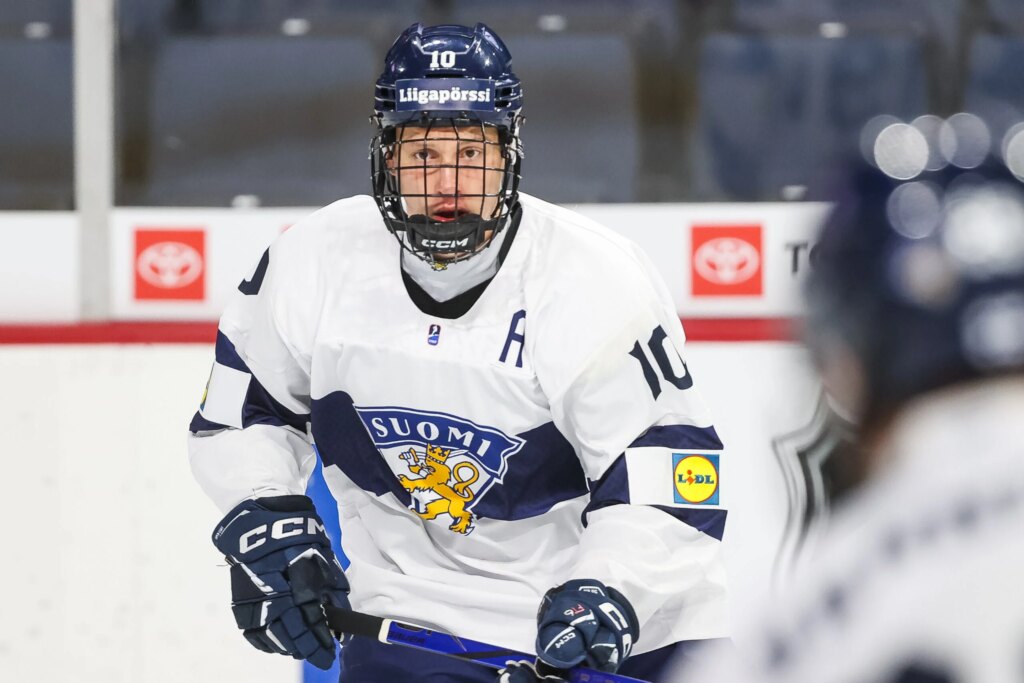
The Dallas Stars released its 22-player prospect tournament roster this week. Atte Joki, a player who had a strong showing in the July Development Camp, is missing. Well, that is because he is in Helsinki, three games into a Liiga season with HIFK, fighting to keep one of Liiga’s most historic teams above water.
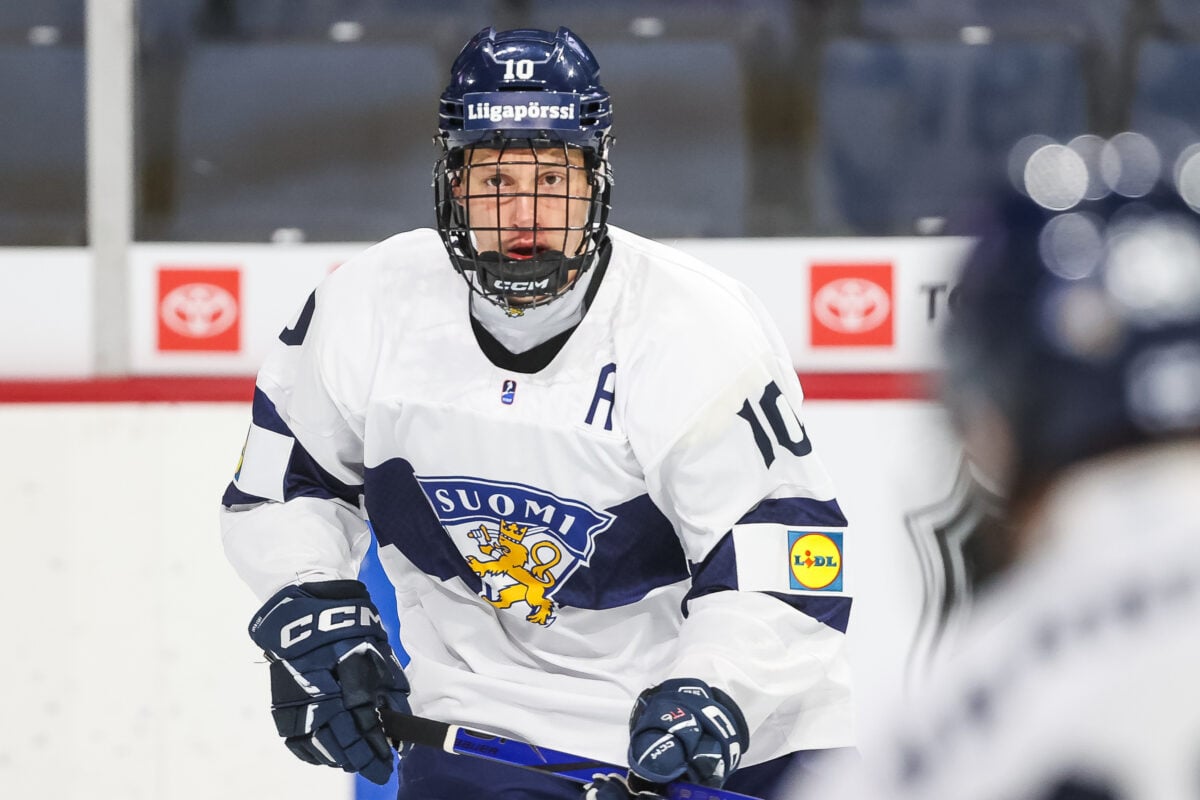
Joki was never coming to North Texas this fall. He signed a two-year deal with HIFK through spring 2028, and I think the best thing for his development path is staying in Finland.
Dallas drafted him in the fifth round in 2025, and with their director of European Scouting being Kari Takko, who drafted names like Esa Lindell, Miro Heiskanen and Roope Hintz, they knew what Joki’s timeline would look like.
Olli Jokinen and What HIFK Offers
HIFK hired Olli Jokinen in November 2025 after he took Timrå IK to a sixth-place Swedish Hockey League (SHL) finish. Olli Jokinen played 1,231 NHL games as a center. He coached Aatu Räty at Jukurit before moving to Sweden. Those sorts of comparisons are good to look at when checking Atte Joki’s development: Jokinen knows what an NHL center needs to look like and has coached a young Finn through a version of this same growth arc.
HIFK operates the largest player budget in Liiga at four million euros and added Jake Leschyshyn (77 NHL games, 337 American Hockey League; AHL) to deepen the center group. Joki is not at the level where he needs to carry this team in a competitive league. He can play a defined checking role on a roster built to push to not be relegated at the end of the season, surrounded by pros who’ve played at higher levels.
At Lukko last season, he was often the hardest-working player on his line. I think the difference in HIFK is that he’s learning what that work looks like when everyone around him is also competing in a season already full of high stakes.
The early returns for HIFK as a team have been rough. They beat HPK in the opener, then lost 5-1 to TPS and 3-1 to Jukurit before dropping a 3-2 decision to KalPa. Jokinen told Finnish media there are “a lot of problems” with the playing style.
This is the superkausi (Finnish for super season), the expanded 17-team season with three relegation slots for the bottom-placing teams (A new Liiga-B slot that can be explained in my blog on European hockey if you are interested), and HIFK sits near the bottom despite outspending the league. Joki is learning to play through organizational dysfunction at age 19, which is a different kind of development than winning games.
What the Data So Far Shows
Jokinen gave Joki real rope in preseason: 16:12 per game with over a minute of power-play time and 13 faceoffs per game. That’s middle-six usage. Once the regular season started, the deployment tightened to 11:14 per game and six faceoffs.
I would say the process indicators underneath these numbers are encouraging. Joki’s puck battle win rate jumped from 46% at Lukko last season to 64% through three HIFK games, not a huge sample of data, but encouraging.
His pass accuracy climbed from 82% to 88%. Puck losses dropped from 3.2 per game to 2.7. His Corsi for (58%) and Fenwick for (61%) are both well above his Lukko numbers (45% and 48%), meaning HIFK controls more of the shot share when he’s on the ice even as the team struggles overall. Five shots on goal across three games, concentrated in the slot, confirm he’s getting to the right areas.
The faceoff numbers are the clear weakness: 32% through three games, down from 41% at Lukko, which was already low. Against pro competition with a new set of linemates, the faceoff work hasn’t transferred with this small showing of six games.
The Skating Baseline and Where It’s Moving
I ranked Joki fourth at Dallas’s development camp this summer and called him the quiet winner of the week. I’ve tracked him for over a year now, and the baseline I keep measuring against is his explosive skating that was seen in his time in Juniors. His inside-edge load generates genuine separation in short bursts, and his acceleration over the first few strides ranks favorably even against older competition.
The problem is what happens once the first two strides end. His muscle tone stays high through the entire stride cycle, his recovery is heavy, and it costs him in sustaining and in his puck skills at speed. At development camp, Stars skating coaches worked with him directly. Joki is 19 and still growing into a 6-foot-2 frame at 201 pounds. His physical game already plays at a pro level, and I think the early HIFK puck battle numbers confirm it.
The most encouraging data point on Joki’s offensive ceiling comes from July’s U20 game against Canada. Centering Finland’s fourth line, he scored on a catch-and-release wrister off a cross-slot rush pass where the release quickness surprised the goalie.
That’s a different shot profile than the net-front rebound goals that defined his draft year, and it suggests the hands are catching up to the body. He also forced a Canadian turnover through sheer forechecking pressure that led directly to a goal, then got himself ejected for cross-checking a retriever into the end boards. The full Joki experience in one game.
The single thing worth tracking over the next month: whether HIFK trusts Joki with more penalty kill minutes the way Lukko did last season. His Lukko deployment included regular shorthanded shifts, and the penalty kill is where a player with his toolkit (size, compete, defensive reads, faceoff presence despite the low win rate) earns a coach’s trust at the next level.
If the PK role follows him to HIFK, his path to an NHL bottom six gets shorter. If it doesn’t, the faceoff and decision-making gaps are bigger than the early puck battle numbers suggest.
Free Newsletter
Get Dallas Stars coverage delivered to your inbox
In-depth analysis, breaking news, and insider takes – free.