Erik Karlsson’s NHL Network Snub Is Hard to Justify – The Hockey Writers – Pittsburgh Penguins
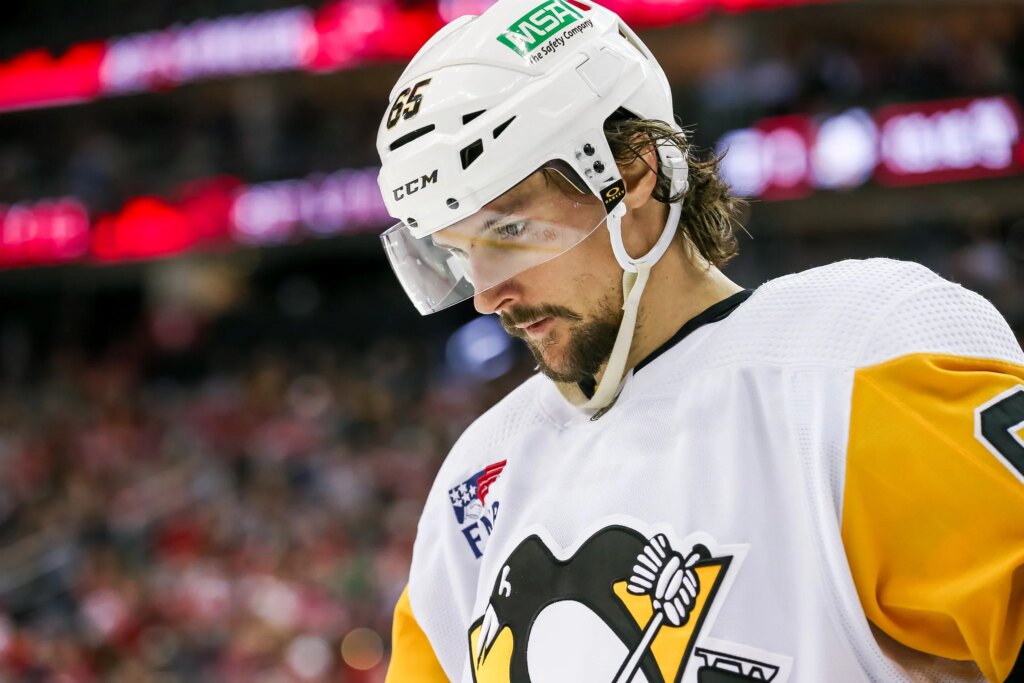
Twenty defensemen made NHL Network’s newest list. Erik Karlsson somehow was not one of them.
NHL Network released its Top 20 Defensemen Right Now on Aug. 10, and the Pittsburgh Penguins defenseman was omitted entirely despite recording 15 goals and 66 points in 75 games last season. Karlsson finished eighth among NHL defensemen in scoring, ninth in Norris Trophy voting, and was voted Pittsburgh’s Most Valuable Player. Leaving a 36-year-old outside the top 20 because of age, defensive concerns or projection can be defended individually, but combining all three arguments becomes much more difficult when his actual 2025-26 performance is considered.
Karlsson does not need to be ranked alongside Cale Makar, Quinn Hughes, or Zach Werenski for the omission to look strange. The much simpler question is whether there were really 20 defensemen better than him entering 2026-27.
Based on last season, that answer is difficult to reach.
NHL Network’s “Right Now” Label Works Against the Karlsson Snub
The title of the ranking matters. This is not a list of the 20 defensemen teams would most want for the next five seasons. If it were, Karlsson’s age would obviously push him behind younger players such as Brock Faber, Moritz Seider, and Matthew Schaefer.
It is the Top 20 Defensemen right now.
Karlsson just completed his best season since joining Pittsburgh. He produced 66 points in 75 games, averaged 23:36 of ice time and finished with a plus-8 rating after posting a minus-24 the previous season. His NHL EDGE profile also shows that he remained an elite skating threat, ranking in the 98th percentile with 153 speed bursts above 20 mph.
His season was not built on one early scoring surge either. Karlsson became even better when Pittsburgh needed him most.
During March, he recorded nine goals and 15 assists for 24 points in 17 games. That led all NHL defensemen in goals, assists, and points during the month, while his nine multi-point games came within one of Bobby Orr’s NHL record for a defenseman in a single month. Pittsburgh eventually named Karlsson its team MVP, making him the first player other than Sidney Crosby to receive the honor in six seasons.
That sounds a lot like a defenseman playing at a top-20 level right now.
Karlsson’s Offensive Advantage Is Too Large to Ignore
Defensemen cannot be ranked exclusively by points. They also cannot be ranked as if offense suddenly does not matter.
Karlsson’s 66 points exceeded the totals of several players NHL Network placed comfortably inside its top 20. Josh Morrissey ranked 16th after producing 55 points. Roman Josi was 15th with 55. Faber came in 14th with 51, while Seider ranked all the way up at ninth after recording 60.
Those differences do not automatically mean Karlsson belongs ahead of each player.
Faber provides significant defensive value and followed his regular season with 10 points while averaging nearly 30 minutes during the Minnesota Wild’s playoff run. Seider played all 82 games, averaged 25:40, blocked 180 shots, and finished fifth in Norris voting. Morrissey has produced at least 55 points in four-straight seasons while handling heavy minutes for the Winnipeg Jets.
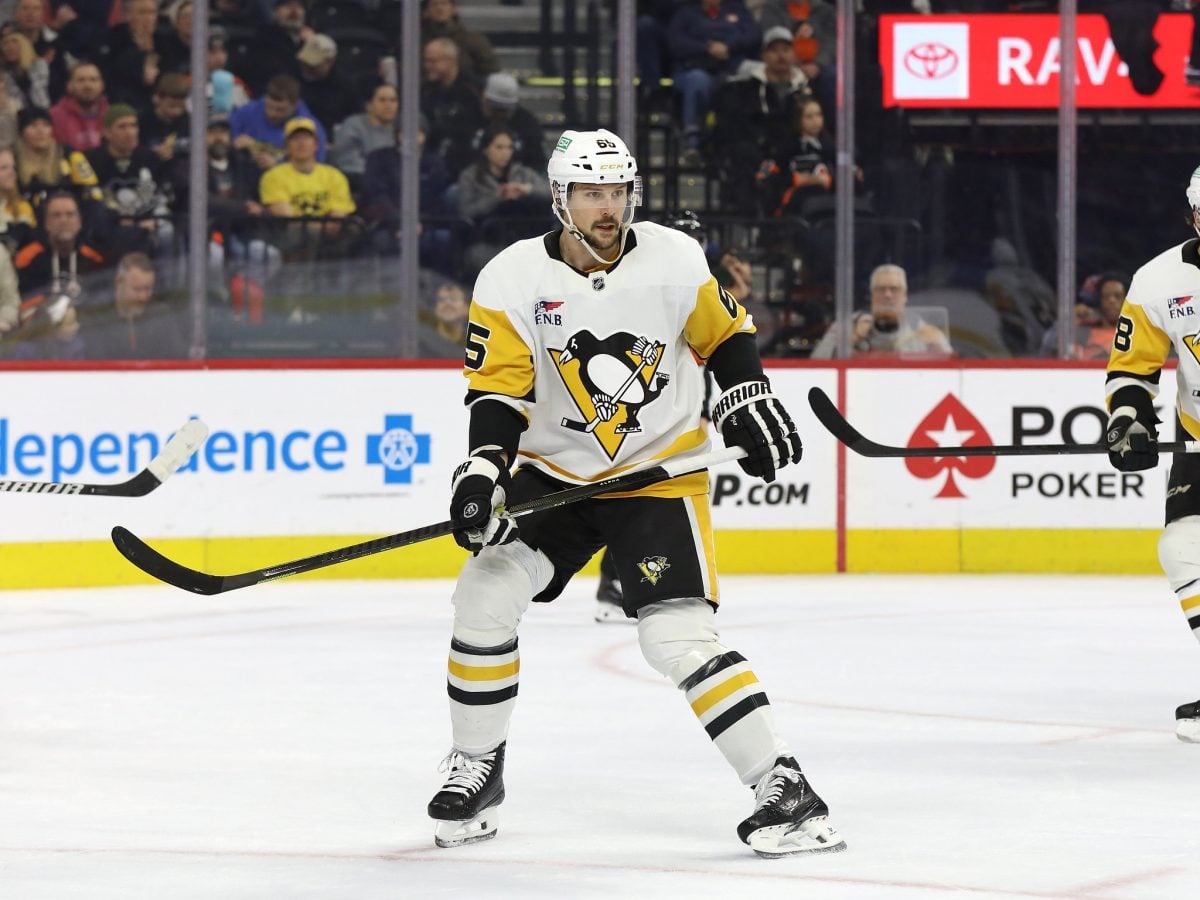
Those are legitimate arguments for ranking them ahead of Karlsson.The problem is that Karlsson was not ranked 17th instead of ninth. He was not included at all.
There should have been enough room somewhere within 20 spots for a defenseman who outscored most of the list while carrying one of Pittsburgh’s largest workloads.
Defensive Concerns Still Belong in the Conversation
Pretending Karlsson suddenly became an elite shutdown defenseman would weaken the argument for him. He did not.
Karlsson remains aggressive with the puck, can get caught above the play, and will occasionally trade defensive structure for the chance to create offense. Those tendencies have followed him throughout his career, and Pittsburgh knew exactly what type of defenseman it was acquiring when it traded for him.
What changed last season was the extent to which those weaknesses damaged the overall product.
Head coach Dan Muse found a better way to use Karlsson, giving him freedom to attack without forcing him to create every possession himself. Pittsburgh also used him more heavily on the penalty kill, and his improved all-around performance was strong enough that he received ninth-place Norris consideration.
The Hockey Writers recently named Karlsson the best NHL player at age 36, specifically noting that his defense had improved enough to complement his high-end offensive production. That does not turn him into Jaccob Slavin, but a top-20 list does not require every defenseman to provide value in the same way.
Slavin ranked 12th despite scoring only eight points because his defensive impact helped the Carolina Hurricanes win the Stanley Cup. Devon Toews ranked 20th with 24 points because of his work beside Makar and a plus-38 even-strength goal differential.
Those selections make sense because the ranking is supposed to evaluate total impact. Karlsson’s offense is part of his total impact too.
Victor Hedman Makes the Omission Hardest to Explain
The most difficult comparison is not Seider, Josi, or Faber. It is Victor Hedman.
NHL Network ranked Hedman 18th after he played only 33 games last season, recording one goal and 17 points. A broken elbow cost him 22 games before he missed the Tampa Bay Lightning’s final 15 regular-season games and its entire playoff series while focusing on his mental health. NHL Network’s explanation understandably pointed toward his established ability to play huge minutes in every situation and the possibility of a healthier season ahead.
There is nothing unreasonable about believing Hedman can rebound. Ranking him ahead of Karlsson still requires projecting forward rather than evaluating what the two players most recently did.
Karlsson played 42 more games. He recorded 49 more points. He was Pittsburgh’s MVP and received Norris votes after helping the Penguins return to the playoffs.
If the list is truly about which defensemen are best right now, Karlsson has the stronger current body of evidence.
The Hedman selection reveals one of the possible explanations for the snub. Reputation and expectations for 2026-27 appear to matter substantially.
That standard works against Karlsson because voters may view his 66-point season as something unlikely to repeat at 36 rather than evidence of his current level.
Karlsson May Be Paying for His Reputation in Pittsburgh
There is some irony in Karlsson being excluded after the season he just produced.
For much of his first two years with Pittsburgh, criticism followed him everywhere. His turnovers were magnified, his $10 million cap hit became part of nearly every discussion, and the Penguins’ failure to reach the postseason made his offensive numbers feel less meaningful.
Last season should have changed some of that perception.
My recent look at how the Karlsson trade has aged made the distinction clear. The trade still failed to create the deep Stanley Cup run Pittsburgh originally wanted, but Karlsson finally delivered the type of season the Penguins expected when they acquired him. He produced 66 points, handled major minutes, and became one of the primary reasons Pittsburgh returned to the playoffs.
There may still be a lag between Karlsson’s current play and how he is perceived.
The three-time Norris Trophy winner spent two seasons being described as an aging offensive defenseman on a bad contract. One strong season does not erase every concern, but it should matter when a ranking claims to measure players in the present tense.
Even NHL.com’s current fantasy defenseman rankings place Karlsson 17th at the position entering 2026-27. Fantasy value is obviously different from real-world defensive value, but it reinforces how unusual it is for his offensive impact to disappear completely from a 20-player discussion.
Karlsson Does Not Need a Top-10 Ranking to Deserve Recognition
There are plenty of defensemen NHL Network correctly placed ahead of Karlsson.
Makar remains the standard. Hughes, Werenski, and Rasmus Dahlin produced stronger overall seasons. Lane Hutson scored 78 points and helped the Montreal Canadiens reach the Eastern Conference Final. Evan Bouchard led all defensemen with 95 points. Seider’s combination of offense, durability, and defensive responsibility made him a Norris finalist.
The case for Karlsson does not require discrediting any of them. It only requires finding one spot among 20.
Karlsson finished eighth among defensemen in scoring, received Norris consideration, remained Pittsburgh’s highest-usage defenseman and was voted the most valuable player on a playoff team. At 36, he is clearly closer to the end of his career than the beginning, and another decline could arrive quickly.
It had not arrived last season.
NHL Network can reasonably believe Karlsson will fall outside the top 20 during 2026-27. Calling him outside the top 20 right now, immediately after what he accomplished in 2025-26, is much harder to justify.
Karlsson spent last season proving reports of his decline had come too early. Apparently, he may have to do it again.
Free Newsletter
Get Pittsburgh Penguins coverage delivered to your inbox
In-depth analysis, breaking news, and insider takes – free.