Pittsburgh Penguins’ $63 Million Gamble Makes 2026-27 a Bridge Season – The Hockey Writers – Pittsburgh Penguins
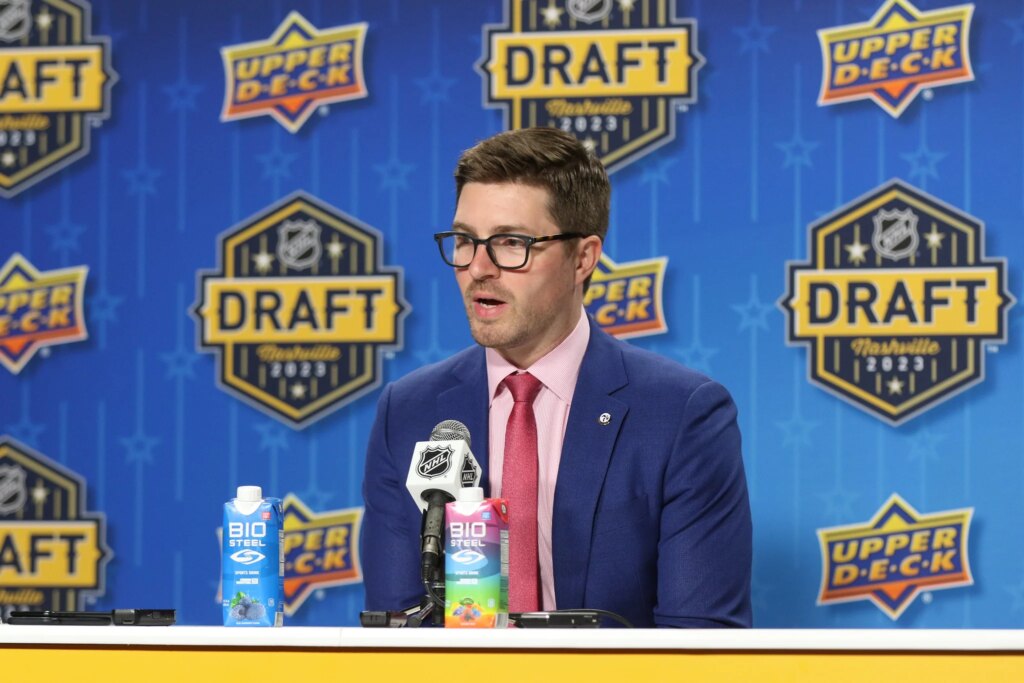
The Pittsburgh Penguins entered the offseason with the resources to make a major addition. President of hockey operations and general manager Kyle Dubas explored moving up from the 22nd pick in the 2026 NHL Draft and remained connected to Dallas Stars winger Jason Robertson, but Pittsburgh refused to sacrifice the premium prospects and draft capital required to force either move.
The result was a quieter summer built around Andrei Kuzmenko, Nicholas Robertson, Hendrix Lapierre and several other calculated additions rather than one transformative player. That approach leaves the Penguins with an improved collection of options, but not the established young difference-maker Dubas identified as the largest missing piece after the season.
It also preserves enormous future flexibility. PuckPedia’s latest Penguins salary-cap projection listed approximately $67.7 million in potential space for 2027-28 before the three-year extension for Tommy Novak. Adding Novak’s $4.65 million cap hit reduces that preliminary projection to roughly $63 million, although future extensions, restricted free-agent contracts and the cost of completing the roster will lower the amount eventually available.
That still gives Pittsburgh the potential to reshape almost every area of the lineup next summer. The gamble is whether waiting one more season will produce the information and opportunities necessary to use that flexibility correctly — or waste another productive season from Sidney Crosby.
Penguins Refused to Force a Major Addition
The Penguins’ quiet offseason was not caused by a lack of interest in making a larger move.
Pittsburgh attempted to move up during the first round of the draft before remaining at No. 22 and selecting Liam Ruck. Dubas acknowledged that the front office worked extensively on potential trades, but the asking prices prevented it from moving high enough to obtain one of the draft’s premium prospects.
The report on Pittsburgh’s draft efforts showed that the Penguins were willing to explore an aggressive move without paying whatever price another team demanded. They retained the pick, selected Ruck and later reunited him with twin brother Markus Ruck rather than weakening a prospect pool Dubas spent several years rebuilding.
Jason Robertson presented the NHL version of the same decision. The 27-year-old winger produced 45 goals and 96 points last season, making him the type of prime-age offensive driver Pittsburgh lacks. The Dallas Stars eventually signed him to a one-year, $12 million contract, keeping him with the team through 2026-27 and delaying a larger decision about his future.
Pittsburgh’s interest made sense, but acquiring Robertson would have required a significant trade package followed by an enormous contract. The previous Jason Robertson miss forced pivot examined why the Penguins could not treat the next available player as an automatic replacement for their preferred target.

Dubas chose patience over a forced move. That restraint protects Pittsburgh from losing the young assets it will need beyond Crosby, but it also places more responsibility on the current roster to prove the organization can afford to wait.
2026-27 Has Become an Evaluation Season
The Penguins are not entering a traditional rebuilding season. They returned to the Stanley Cup Playoffs in 2025-26, finished second in the Metropolitan Division and still employ enough veteran talent to compete for another postseason position. Their offseason strategy nevertheless suggests that evaluation will matter almost as much as the standings.
Dubas said after the season that Pittsburgh remained well short of becoming a true contender and needed to add more prime-age difference-makers. His evaluation of the organization’s direction also stressed the importance of using cap space and accumulated assets without accepting contracts that could become problems within several years.
The current roster gives the front office one season to gather better answers. Kuzmenko and Robertson must prove they can provide dependable top-nine scoring. Lapierre has an opportunity to establish himself at center, while Egor Chinakhov must demonstrate that his strong production after joining Pittsburgh can continue over a full season.
The younger group carries even greater long-term importance. Ben Kindel must build on an encouraging rookie year, while Rutger McGroarty and Ville Koivunen need to show they can become more than occasional NHL options. The Penguins’ young-player projections for 2026-27 matter because Pittsburgh’s future spending plan will change depending on which players establish themselves internally.
A breakout season from two or three young forwards would allow Dubas to target specific needs next summer. Limited progress would force Pittsburgh to spend more aggressively just to build a functional supporting cast.
Murashov Could Determine the Goaltending Plan
No evaluation may carry more financial importance than the one involving Sergei Murashov.
Murashov emerged as Pittsburgh’s top goaltending prospect during his first two professional seasons in North America. He helped the Wilkes-Barre/Scranton Penguins of the American Hockey League (AHL) reach the Eastern Conference Final and received NHL exposure as injuries affected the depth chart.
The Wilkes-Barre/Scranton Penguins were the youngest team in the AHL last season and finished with the league’s third-best regular-season record. The organization’s review of its AHL season emphasized the value of the playoff experience gained by Murashov and Pittsburgh’s other young players.
Murashov now enters the final season of his entry-level contract alongside Arturs Silovs and Joel Blomqvist in a goaltending group filled with potential but lacking an established long-term starter. Pittsburgh needs to determine whether one of those players can take control of the position before entering a summer with enough money to pursue almost any available alternative.
A strong season from Murashov could save the Penguins from committing significant cap space to a veteran goaltender. If the young group struggles, goaltending could become one of the first expensive items on Dubas’ 2027 shopping list.
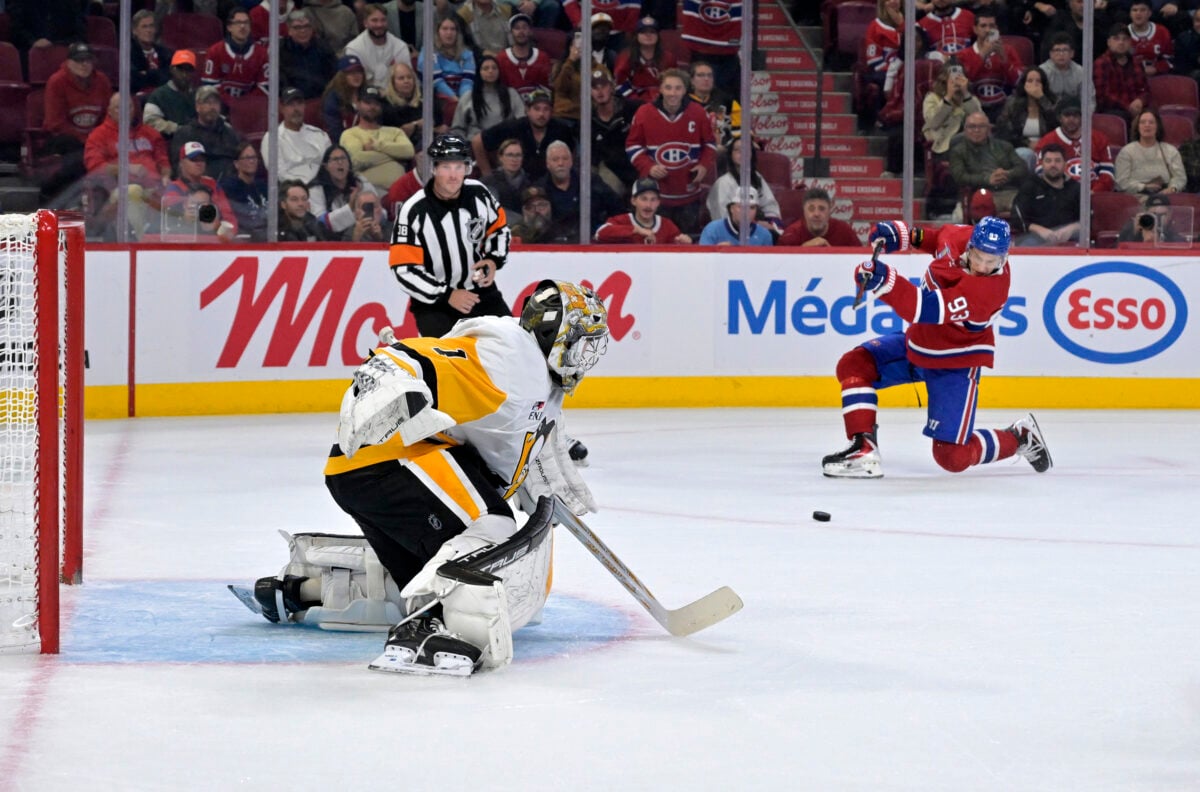
That is what makes this season a bridge rather than merely another attempt to qualify for the playoffs. Pittsburgh must learn which expensive solutions it actually needs before the flexibility arrives.
Expiring Veterans Could Change the Timeline
The projected space also exists because several major contracts end after the season. Crosby, Evgeni Malkin, Erik Karlsson, Kuzmenko and Justin Brazeau can become unrestricted free agents in 2027. The Penguins already removed Novak from that group, but the futures of their three most accomplished players remain unsettled.
Crosby should be easily affordable if he wants to sign another one- or two-year agreement. His decision is more important than the eventual cap hit because Pittsburgh’s entire competitive timeline remains connected to how long he intends to play.
Malkin’s situation is less certain. He will play the season at 40 after signing a one-year extension, and another contract will depend on his health, production and desire to continue. Karlsson could remain one of Pittsburgh’s most important players, become a major trade-deadline asset or leave enough cap space to fund a different version of the defense.
Those decisions could make the current $63 million projection misleading in either direction. Re-signing Crosby and another veteran would reduce the available room, while trading an established player before the deadline could add more future assets to the organization’s already strong collection.
The NHL and NHLPA projected the 2027-28 salary-cap ceiling at $113.5 million. Pittsburgh’s flexibility will therefore arrive during a league-wide spending increase, when elite free agents and trade targets will also become more expensive. Having room will not guarantee the Penguins spend it efficiently.
Waiting Protects Pittsburgh’s Future
The strongest argument for patience is that Pittsburgh is not one transaction away from becoming a Stanley Cup contender.
A major trade could improve the roster immediately, but sacrificing Kindel, Murashov or several premium draft picks for the wrong player would damage the transition Dubas has carefully constructed. The Penguins finally possess a deeper prospect system and 19 selections in the first three rounds of the next four drafts, giving them the resources to pursue a major player when the correct opportunity appears.
Pittsburgh’s disciplined free-agency approach avoided the type of long-term contract that can quickly consume future flexibility. Kuzmenko received one year, Robertson received two and most of the other additions were signed or acquired on manageable commitments.
That restraint allows the Penguins to observe how the current group fits before making permanent decisions. If Kindel becomes a top-six center, Dubas can spend elsewhere. If Murashov claims the crease, Pittsburgh can avoid an expensive goaltending contract. If Robertson, Chinakhov or Lapierre breaks out, the need for another forward becomes more specific.
The approach also gives new opportunities time to develop. The downside is that NHL seasons are not disposable, especially while Crosby remains one of the league’s most productive centers.
Penguins Are Gambling With Crosby’s Time
Patience becomes more difficult to defend when measured against Crosby’s remaining career. The Penguins captain continued producing above a point-per-game pace last season and remains capable of leading a playoff team. Pittsburgh cannot assume he will maintain that level indefinitely or that another offseason with greater flexibility will arrive without some decline elsewhere in the veteran core.
That creates the central tension behind the bridge-season strategy. Waiting could give Dubas the information, cap room and trade opportunities needed to build a more sustainable contender in 2027. It could also cost Pittsburgh one of the limited seasons in which Crosby, Malkin and Karlsson remain productive together.
The current roster is good enough to avoid treating 2026-27 as a throwaway year. Kuzmenko, Robertson, Chinakhov and a healthier Rakell could keep the offense dangerous, while internal progress could make the Penguins better than their quiet offseason suggests.
The standard must extend beyond remaining competitive. Pittsburgh needs the season to produce clear answers.
Dubas must identify which young players belong, whether the goaltending can be solved internally and which veterans still fit the next version of the team. The projected cap space will only become valuable if the Penguins understand exactly where to use it.
Pittsburgh resisted spending heavily merely because it had the ability to do so. That may prove to be the smartest decision of its offseason. It also makes 2026-27 one of the largest gambles of the Crosby era.
Free Newsletter
Get Pittsburgh Penguins coverage delivered to your inbox
In-depth analysis, breaking news, and insider takes – free.